Showing posts with label French (USA). Show all posts

Tuesday, 8 August 2023

When you say 'picayune' are you speaking French (USA)?

'Picayune' is a word borrowed from French (USA) 'picaillon'. The word entered the English language some time around 1804.
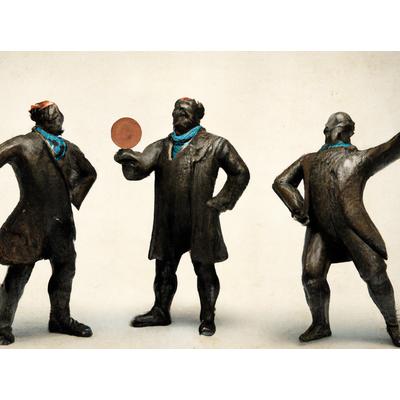

picayune [noun] [1804]
  • a Spanish half real piece formerly current in the South
  • half dime
  • something trivial
See 'picayune' on the Loan Words Map

See more loan words from French (USA).
Etymology: Occitan 'picaioun' a small coin, from 'picaio' money, from 'pica' to jingle, of imitative origin
See more loan words from 1800s.


Saturday, 19 November 2022

Is 'Detroit' English, or is it actually French (USA)?

'Detroit' is a word borrowed from French (USA) 'détroit'.


Detroit [geographical name] [(unknown)]
  • river 31 miles (50 ) Ontario & kilometers Michigan connecting Lake Erie & Lake Saint Clair
  • city pop Michigan on Detroit River 951,270
See 'Detroit' on the Loan Words Map

See more loan words from French (USA).

note: The word “detroit” is French for “strait” and the French called the river “le détroit du Lac Érié meaning “the strait of Lake Erie.”
Etymology: -
See more loan words from (unknown date).

Saturday, 12 November 2022

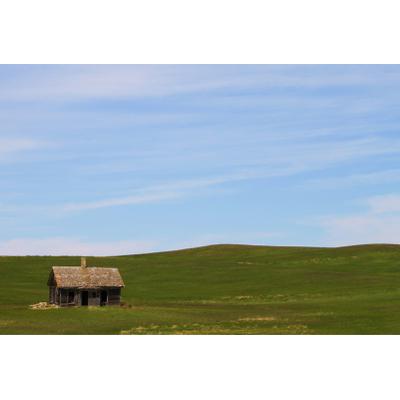
How the French (USA) language influenced English with the word 'prairie'

'Prairie' is a word borrowed from French (USA) 'praerie'. The word entered the English language some time around 1682.


prairie [noun] [circa 1682]
  • land in or predominantly in grass
  • a tract of grassland
  • as
  • a large area of level or rolling land in the Mississippi River valley that in its natural uncultivated state usually ha...
  • one of the dry treeless plateaus east of the Rocky Mountains that merge on their east side with the proper and are cha...
See 'prairie' on the Loan Words Map

See more loan words from French (USA).

Etymology: French, from Old French 'praierie' from Vulgar Latin '*prataria' from Latin 'pratum' meadow
See more loan words from 1600s.


Friday, 11 November 2022

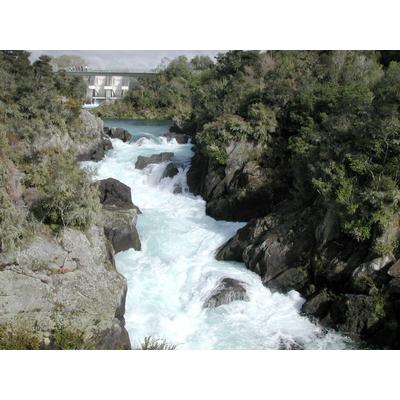
The word 'rapid' originally came from French (USA) as 'rapide'

'Rapid' is a word borrowed from French (USA) 'rapide'. The word entered the English language some time around 1634.


rapid [adjective] [1634]
Marked by a fast rate of motion, activity, succession, or occurrence
See 'rapid' on the Loan Words Map

See more loan words from French (USA).

note: A fast-flowing and turbulent part of the course of a river.
Etymology: Latin 'rapidus' seizing, sweeping, rapid, from 'rapere' to seize, sweep away; akin to Lithuanian ap'rėpti' to embrace
See more loan words from 1600s.


When you say 'pumpkin' are you speaking French (USA)?

'Pumpkin' is a word borrowed from French (USA) 'pompon'. The word entered the English language some time around 1654.


pumpkin [noun] [1654]
  • a fruit of any of various cultivars of herbaceous plants ( and Cucurbita pepo, C. maxima, C. moschata, syn. ) of the go...
  • any of several annual chiefly trailing American plants that bear
  • a strong orange color
See 'pumpkin' on the Loan Words Map

See more loan words from French (USA).

Etymology: Alteration of earlier 'pumpion' modification of French 'popon, pompon' melon, pumpkin, from Latin 'pepon-, pepo' from Greek 'pepōn' from 'pepōn' ripened; akin to Greek 'pessein' to cook, ripen
See more loan words from 1600s.


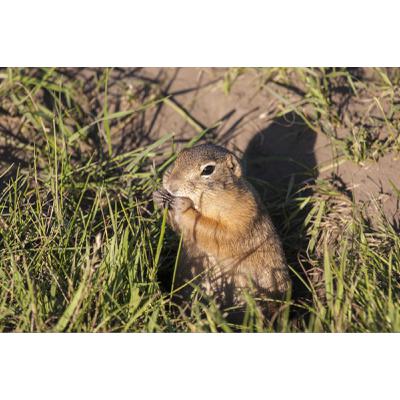
How the French (USA) language influenced English with the word 'gopher'

'Gopher' is a word borrowed from French (USA) 'gaufre'. The word entered the English language some time around 1791.


gopher [noun] [1791]
  • a burrowing land tortoise (Gopherus polyphemus) of the southern United States
  • any of several related land tortoises
  • any of a family (Geomyidae) of burrowing rodents of western North America, Central America, and the southern United Sta...
  • any of several small ground squirrels (genus ) of the prairie region of North America
See 'gopher' on the Loan Words Map

See more loan words from French (USA).

note: May originate from Canadian French 'gaufre' (honeycomb) - the gopher ‘honeycombs’ the ground with its burrows.
Etymology: origin unknown
See more loan words from 1700s.